Project 50 / November 24, 1976 to November 24, 2026
Just sayknow.
Medical cannabis has a paper trail. It is fifty years long.
In 1976 a judge in Washington, D.C. ruled that Robert Randall needed cannabis to keep his sight. He and Alice O'Leary Randall spent the next twenty years making that ruling matter for everyone else. Alice kept every clipping.
Chapter 01 / 1975
A handful of plants on a sun deck.
Robert Randall was diagnosed with glaucoma in his early twenties. His doctors told him he would be blind by thirty.
The prescribed drops were failing. Then he noticed something by accident. On the evenings he smoked, the halos around the streetlights went away.
So he grew his own. In the summer of 1975, police found the plants on the deck of the Washington, D.C. apartment he shared with Alice O'Leary, and both of them were charged. Alice was 28.
Most people would have paid the fine. Robert decided to stand in a courtroom and say the plants were medicine.
An illustration of what Robert described to his doctors, drawn for this story.
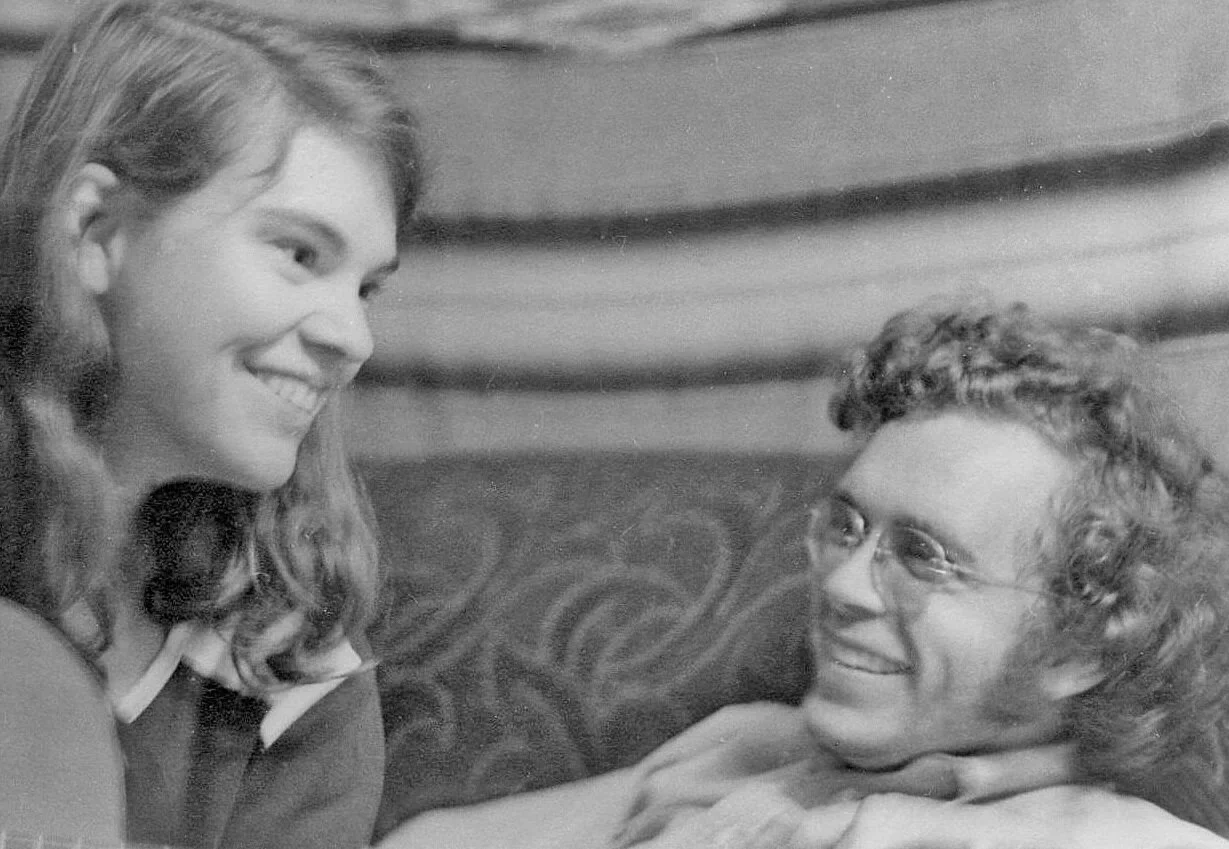
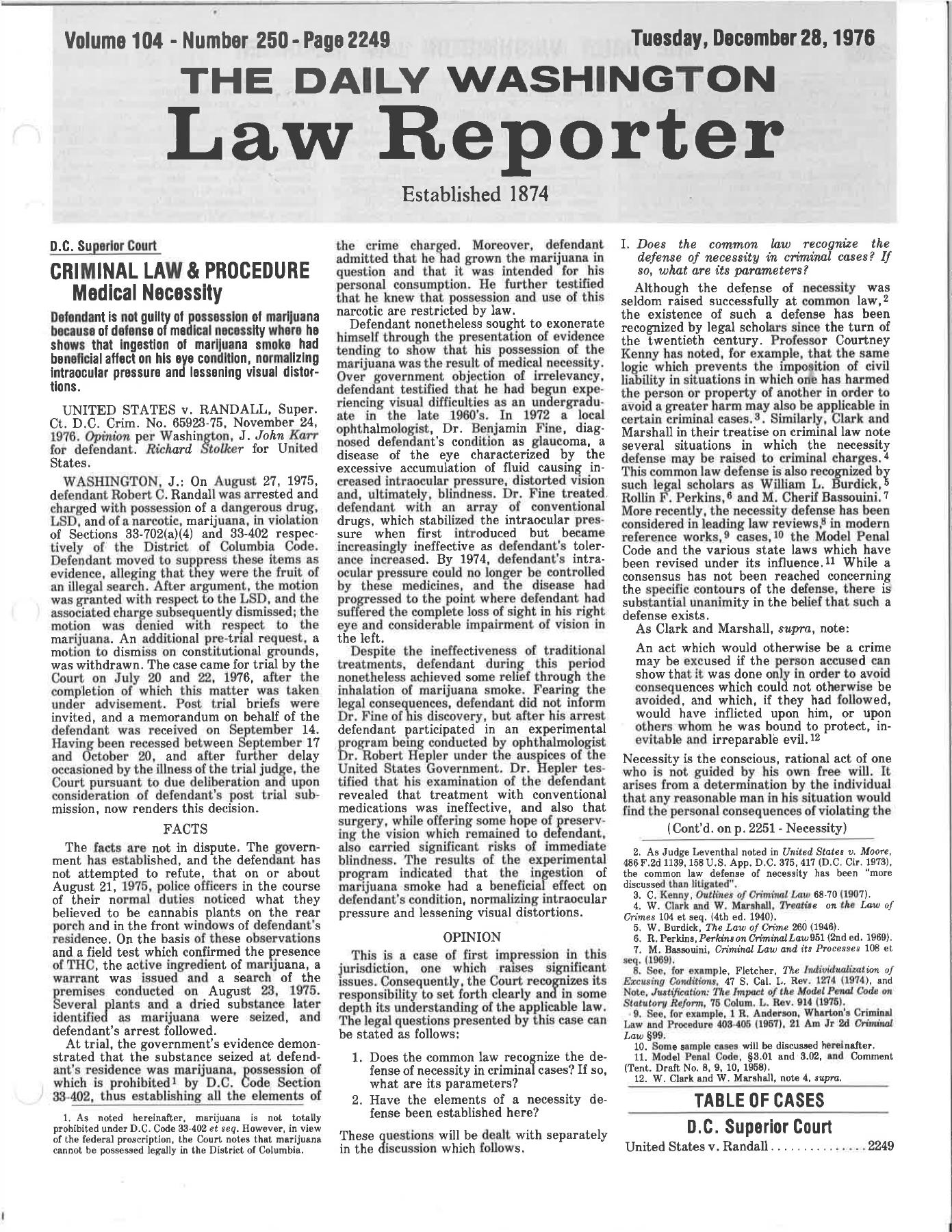
The original opinion, reproduced in The Daily Washington Law Reporter, December 28, 1976. Read all five pages.
Chapter 02 / 1976
Not guilty, by reason of medical necessity.
In May 1976 Robert petitioned the federal government for the cannabis it was already growing for research. That summer he and Alice stood trial.
His lawyers brought eye doctors and the results of supervised testing at UCLA. The testing showed his eye pressure fell when he used cannabis, at a time when his prescribed medicines were failing.
On November 24, 1976, Judge James A. Washington Jr. ruled that the harm of going blind outweighed the harm of growing a few plants. The charges were dismissed. No American court had accepted that defense for cannabis before.
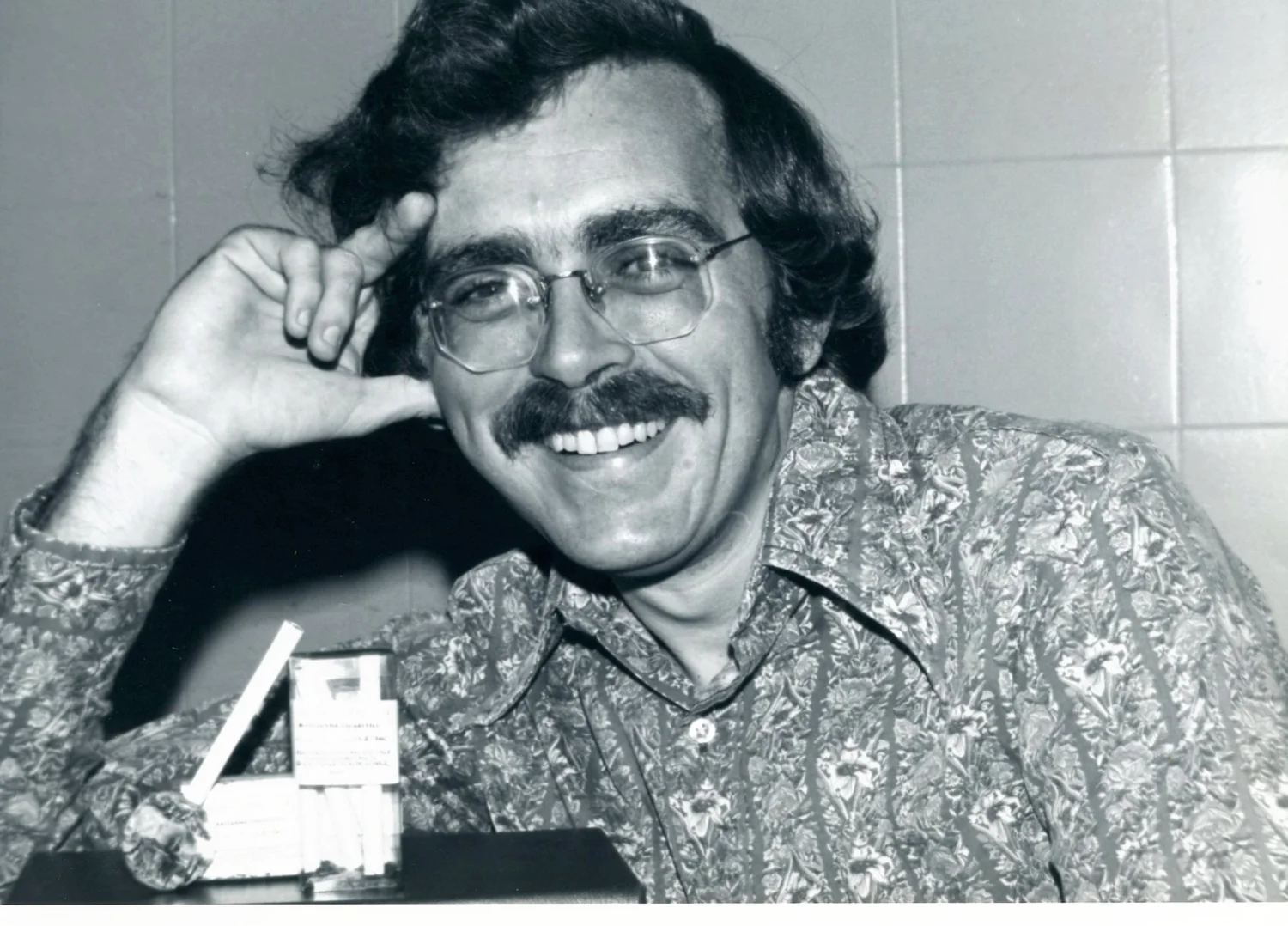
Within weeks the federal government granted his petition. Robert Randall became the only person in the United States legally allowed to use cannabis as medicine.
Chapter 03 / 1977 to 1978
The government starts shipping. Then it tries to stop.
Robert took the story to every camera that would have him, including Good Morning America in 1977. Publicity was the plan, because publicity was the protection.
Letters started arriving at the apartment from people with cancer, multiple sclerosis, and epilepsy. Thirteen of them signed a petition to the Attorney General asking for the same access.
In 1978 his own access was interrupted. On May 6, 1978, Robert sued the federal agencies involved. They settled within 48 hours. The settlement became the Compassionate Investigational New Drug program, the one legal door every later federal patient walked through.
The lesson held for twenty years. Patients who stayed quiet lost access. Patients who told their story kept it.
The early supplies arrived in small plastic cases. From 1978 to 1982, Robert received prescription bottles; the familiar monthly tins followed in 1982.
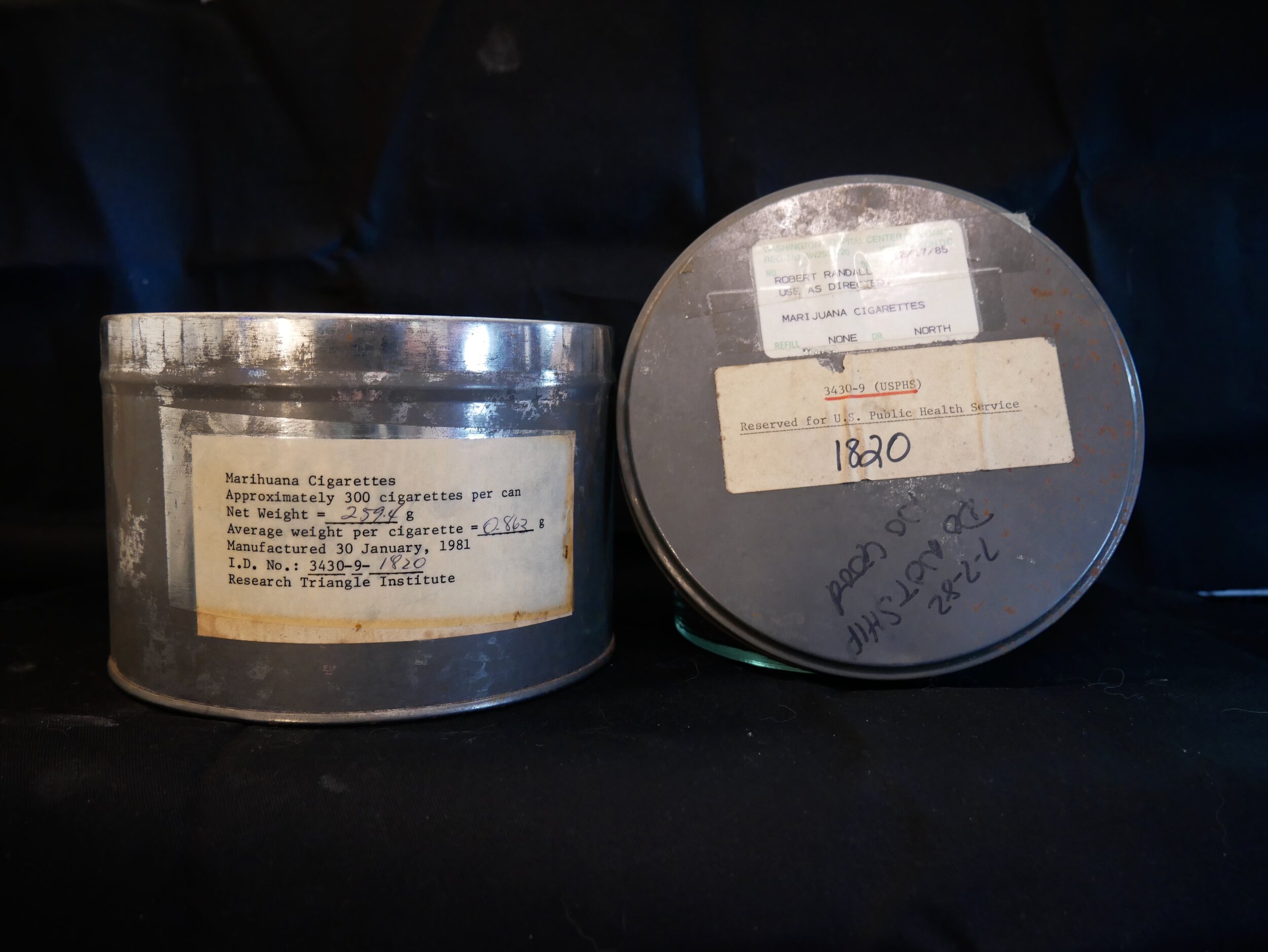
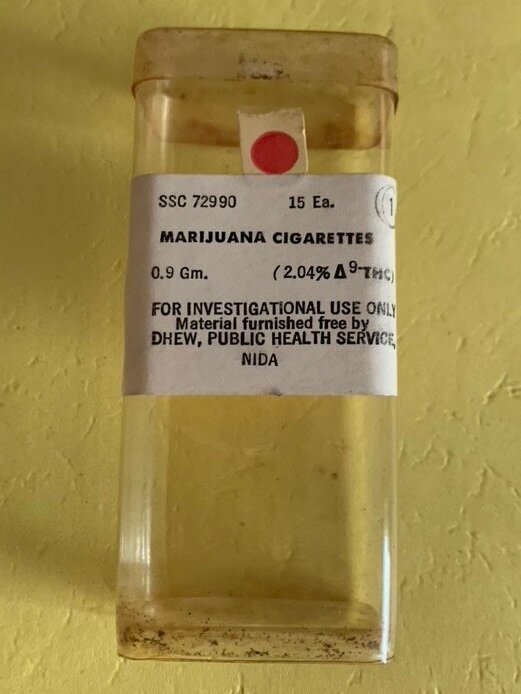
- Grownon the federal research farm at the University of Mississippi.
- Packedas rolled cigarettes, about 300 to a steel tin, and kept frozen until shipping.
- Suppliedin several forms of packaging over 25 years; tins directly to Robert from 1982.
Chapter 04 / 1978 to 1996
While Washington stalled, the states moved.
It did not all start with California. It started in New Mexico, with a cancer patient named Lynn Pierson.
Robert backed his bill. In February 1978 Governor Jerry Apodaca signed the first state law recognizing the medical value of cannabis. Illinois, Louisiana, and Florida followed the same year.
By 1981, 34 states had passed laws of their own. Most created state research programs, and few were ever put to work. The states had said yes. The supply never came.
Each dot is one state. Counts from published histories of the period.
The people in the clippings
The people who moved the story.
The archive, in five flip books
Turn the pages Alice saved.
More than a thousand clippings sit in the archive. These five books pull the turning points from each era so the history reads like a story.
Chapter 05 / The keeper of the story
She was there for all of it. Then she saved it.
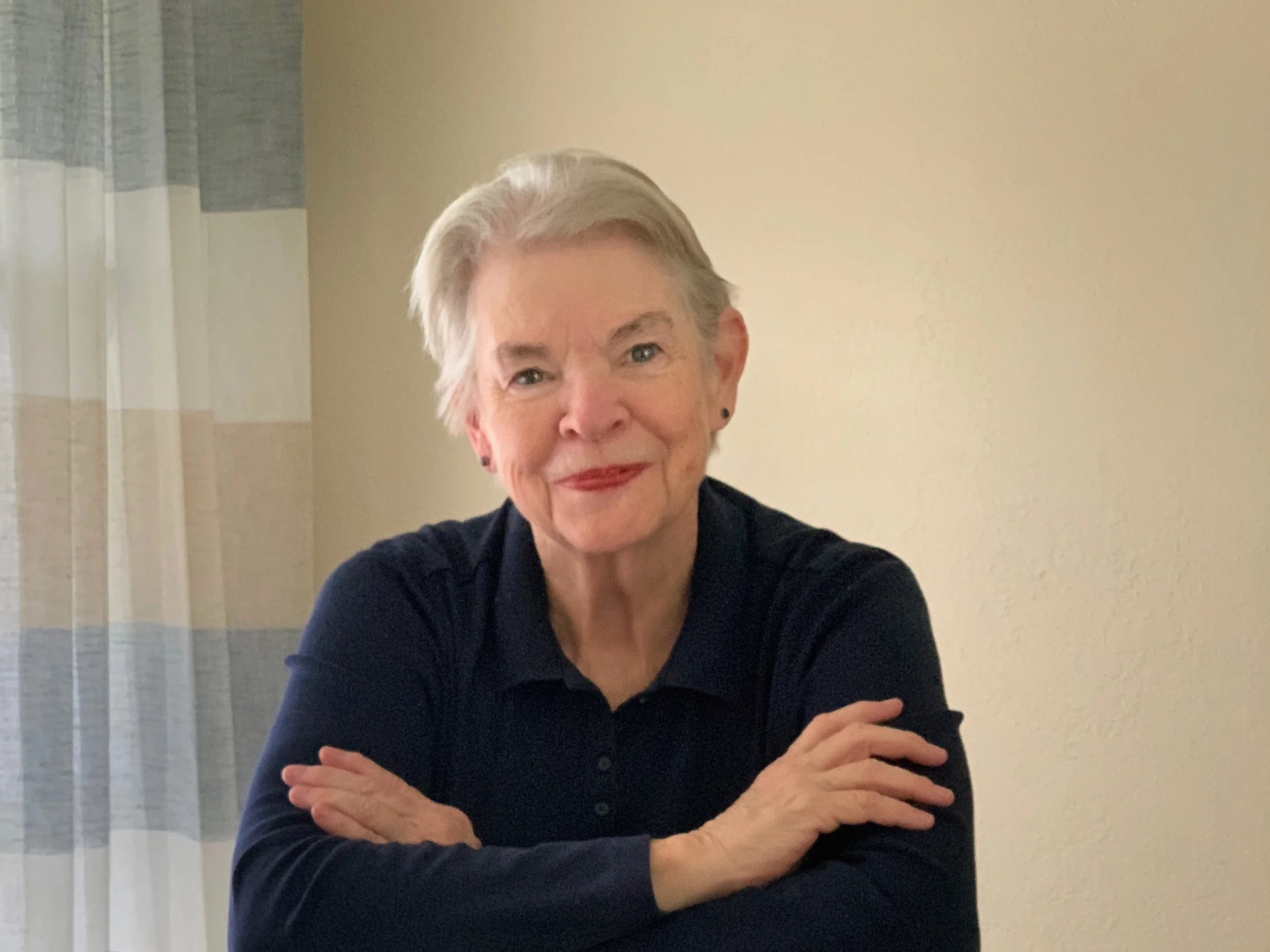
Alice O'Leary Randall was charged beside Robert in 1975, built the Alliance for Cannabis Therapeutics with him in 1981, and kept the paper the whole way through.
Robert gave his last public speech at the first Patients Out of Time conference in April 2000. He died on June 2, 2001, in Sarasota, Florida. He was 53.
Alice is a licensed practical nurse, the author of Medical Marijuana in America: Memoir of a Pioneer, and the coauthor with Robert of Marijuana Rx. Project 50 is her effort to digitize the first twenty years of the movement, 1976 to 1996. Those are the years before the internet, when a story could disappear with a box of newspapers.
The archive is free and open to everyone. This year she is telling it month by month in a series called Medical Marijuana at 50.
Open the archive
Seven folders. Twenty years. Every original voice.
Everything here is free to read, download, and share. Pick a folder to see what is inside, then open the real thing.
Curated by Alice O'Leary Randall. Items are posted for information. The originators retain all rights.
Chapter 06 / 1972 to 2026
One question, asked for more than fifty years.
Does cannabis have an accepted medical use? Robert's courtroom said yes in 1976. Slide through how long it took the federal schedule to catch up.
Why the Cannabis Media Council is marking it
Know better so we can do better.
Amy Deneson, cofounder, Cannabis Media Council
We celebrate the 50 year milestone of advocating for cannabis as medicine, and we continue the work by learning from past advocates and archives.
Amy Deneson, cofounderAlice is our elder and wisdom keeper. We are asking every generation of advocates to learn from her work.
Amy Deneson, cofounderPlayful with Just Say Know, serious about the legal history, and deeply honoring to Alice.
Amy Deneson, cofounder, on the toneDrawn from the Council's discovery questionnaire and edited for length.
Four ways to keep the story
Just say know.
The people who made medical cannabis possible should not be forgotten. Start with whichever step fits you.